
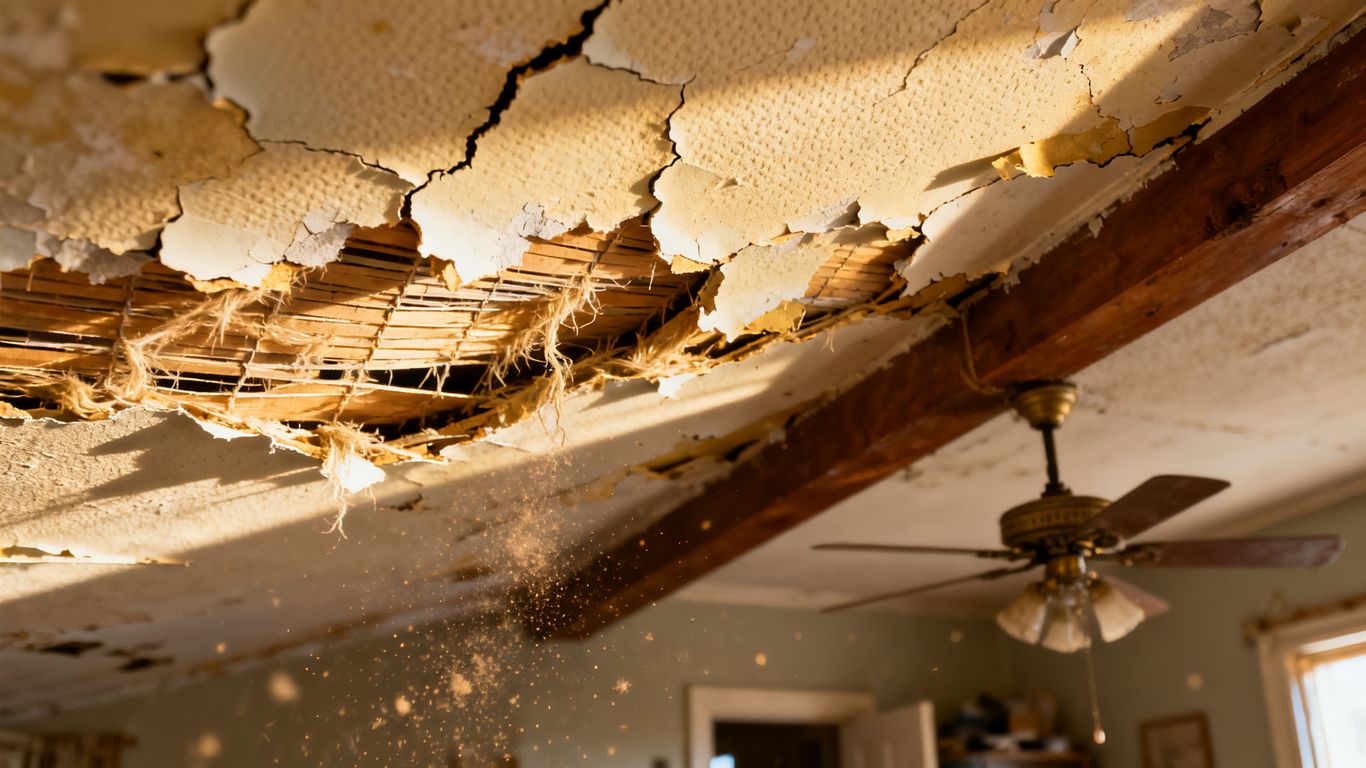
The construction landscape of the mid-20th century relied heavily on mineral-based products that provided thermal stability and fire resistance to new homes. During this era, architects and builders frequently integrated fibrous materials into wall assemblies, flooring, and utility infrastructure without fully acknowledging the long-term health hazards. Homeowners living in older structures must exercise diligence when performing maintenance, as the unintentional disturbance of these materials can lead to environmental contamination.
The historical prevalence of asbestos in post-war building codes
Following the Second World War, the rapid expansion of residential development prioritized fast, affordable construction methods. Manufacturers marketed various products containing this natural mineral as the ideal solution for insulation and fire proofing. Because these materials were exceptionally durable and inexpensive, they became standard inclusions in homes built between the 1940s and early 1980s. Understanding the risks of early residential construction provides necessary context for why these legacy products persist in the private property market today.
Biological mechanisms of asbestos-related respiratory diseases
When structural materials are damaged or deteriorate over time, they release microscopic mineral fibers into the indoor air environment. Once inhaled, these fibers can bypass the body’s natural defenses and lodge firmly in deep lung tissue. This long-term physical irritation and scarring lead to chronic inflammation, eventually interfering with proper lung function. Such exposure is clearly documented as a significant public health concern regarding the severity of conditions like asbestosis and mesothelioma.
Regulatory milestones in the phase-out of hazardous building materials
Government agencies gradually recognized the extreme health risks posed by these minerals as clinical studies became impossible to ignore. By the mid-1980s, the widespread usage of these materials in new residential projects faced stringent bans and restrictive phase-out programs. These legal transitions emphasize the importance of understanding the safety implications of older housing stock, especially for individuals purchasing or renovating properties built during the peak period of industrial manufacturing.
Identifying asbestos in common building materials
Visual identification serves as a starting point, yet the reality of residential mineral usage remains notoriously difficult to confirm through sight alone. Because many materials look identical to their non-hazardous counterparts, property owners must approach all suspect building components with extreme caution. Professional verification is the only path to certainty when dealing with potentially dangerous legacy materials.
Recognizing the texture and age of popcorn ceiling finishes
Popcorn ceilings were a popular design trend for several decades due to their ability to hide imperfections and dampen sound. These textured finishes occasionally contained mineral additives that only become hazardous when the material is scraped or mechanically disrupted. Awareness of common residential asbestos locations is useful for owners preparing to paint or remove these older ceiling applications.
Identifying various forms of attic vermiculite and batt insulation
Attics provide a common space for legacy insulation materials that may contain hazardous fibers. These materials often feature a loose, granular appearance, though they can also be found in structured batt forms used around rafters and joists. Owners should monitor these spaces for signs of degradation, such as:
- Thermal pipe insulation that appears shredded or crumbling along duct joints.
- Granular vermiculite insulation that has shifted or been disturbed by foot traffic.
- Vinyl sheet flooring backing that shows signs of moisture or physical tearing.
- Composite wall panels or siding that have become porous from long-term weather exposure.
Identifying these specific conditions requires careful monitoring. If any of these vulnerabilities are present in your home, professional assessment is necessary to determine the next steps.
Analyzing vinyl floor tiles and black mastic adhesives
Structural flooring often hides dangerous materials within its original installation or the underlying adhesive layers. Many vinyl tiles manufactured decades ago incorporated fibers to increase tensile strength and chemical resistance. Underneath these tiles, the black mastic adhesive used for installation is frequently found to contain high concentrations of hazardous materials, making it a priority for professional evaluation during renovations.
Assessing the condition and risks of asbestos-containing materials
Materials in a residential setting do not always pose the same level of immediate danger to occupants. The physical state of the material dictates the strategy for management or removal. Owners should be prepared to evaluate whether their current structures necessitate emergency attention or routine monitoring.
Distinguishing between friable and non-friable asbestos states
Materials are categorized by their friability, or their tendency to release fibers into the air when touched or slightly pressured. Friable materials are highly susceptible to becoming a pollutant, while non-friable materials remain stable unless they are sanded, drilled, or broken. Understanding this distinction is fundamental to navigating the complex legal and financial impacts of discovery during a real estate transaction.
Signs of material degradation and fiber release potential
Physical indicators of failure include peeling paint, exposed fibers in insulation, or water-damaged ceiling tiles in storage areas. Any sign of ongoing decay suggests that the material is no longer providing containment and may be introducing dust into the HVAC system. Recognizing these warning signs allows homeowners to act before minor damage becomes a widespread environment issue.
The limitations of visual inspection versus laboratory analysis
While visual cues provide a starting point, individual homeowners rarely have the expertise to distinguish between safe and hazardous materials. Only specialized laboratory analysis using polarized light microscopy can definitively confirm the mineral content of an item. Reliance on visual speculation is insufficient when managing potential health risks in a living space.
Establishing a safety protocol for suspected asbestos
Safety always comes first when dealing with substances that have the potential to compromise air quality in the home. If a material is discovered that is thought to be hazardous, the absolute priority is to stop all activity that could cause fiber release. Calm, methodical restraint is the most effective way to prevent contamination incidents.
Immediate steps to minimize air circulation near disturbed surfaces
If you accidentally disturb a suspected material, leave the area immediately and ensure that doors and windows remain closed to contain the air. Turn off any forced-air heating or cooling systems that draw air through the affected zone to prevent the spread of fibers. Professional advice should be sought before any cleanup occurs to ensure the situation does not worsen.
Protocol for preventing accidental damage during home renovations
Pre-renovation surveys conducted by a certified inspector are the best way to safeguard against the accidental disturbance of legacy building materials. Contractors must be informed of any known or suspected hazards before they begin drilling into walls, ripping up carpets, or removing old mechanical systems. This proactive approach ensures that the project remains safe for all involved parties.
The role of personal protective gear for temporary containment
In scenarios where temporary containment is required after an event, specialized respirators and disposable clothing are necessary for entry. Standard dust masks are not sufficient, as they offer no protection against the microscopic level of fibers. Proper usage of safety gear acts as a stopgap measure until a licensed abatement firm arrives on site to secure the environment.
Navigating professional asbestos abatement processes
Professional abatement is a highly regulated practice that requires deep knowledge of both site containment and disposal standards. Relying on professional services prevents the risks associated with inadequate do-it-yourself attempts at removal. The process is designed to protect both the home and the surrounding community.
Methods of professional encapsulation versus total removal
Abatement teams choose between sealing the material—known as encapsulation—or removing it entirely, based on the material’s current condition and location. Encapsulation creates a protective barrier that prevents future fiber release, whereas removal eliminates the source of the risk permanently. Each site requires a specific inspection to determine the appropriate course of action.
Standards and qualifications for licensed asbestos contractors
Only properly certified contractors possess the gear and specialized training required to manage hazardous sites effectively. These firms are subject to local oversight and must demonstrate proficiency in containment and air monitoring. Homeowners should request credentials and verify that the company follows documented health and safety standards.
Ensuring regulatory compliance and disposal during remediation
Disposal regulations are extremely precise, requiring that all hazardous waste be handled and transported to approved facilities. Licensed contractors manage the required documentation and chain of custody, ensuring the property remains in compliance with environmental laws. This oversight ensures that the material is accounted for from the moment it is removed until its ultimate disposal.
Legal and financial implications for property owners
Dealing with the presence of hazardous materials is a significant responsibility that impacts both the legal and financial status of a property. Owners should be aware of the obligations that come with confirming the presence of these materials in their homes. Preparation and awareness allow for smoother navigation of these complexities.
Disclosure obligations during real estate transactions
Most jurisdictions require residential sellers to disclose any knowledge of health-related hazards to prospective buyers. Transparency regarding past reports or known contamination is crucial for maintaining legal standing during the sale process. Failure to provide accurate disclosures can lead to liabilities that far outweigh the initial costs of inspection.
Evaluating the impact of confirmed asbestos on property value
While the discovery of hazardous materials can cause concern in an active market, it does not necessarily render a property unsalable. The value impact depends on how the material is managed and whether the remediation work is performed by qualified specialists. Open communication with potential buyers often helps to mitigate concerns and maintain the property’s financial position.
Insurance considerations for asbestos-related remediation claims
Insurance policies are complex regarding claims related to the presence of hazardous materials on a property. Homeowners should review their existing policy details to understand how remediation expenses are handled in the event of an accidental discovery. Engaging with insurance providers early in the assessment process is a pragmatic way to manage expectations regarding potential coverage.