
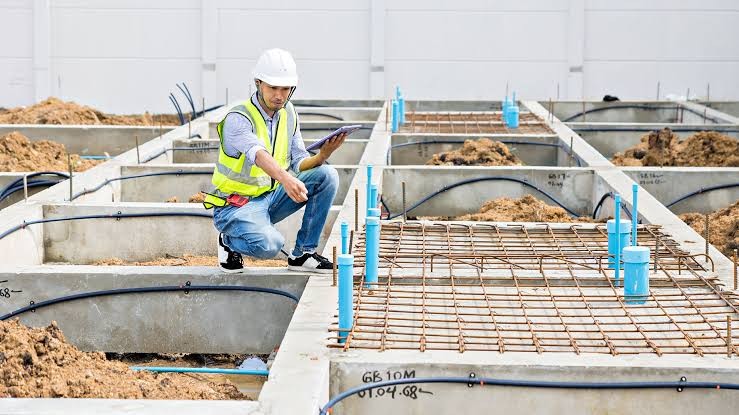
Buildings can develop structural concerns due to age, weather exposure, moisture, settlement, renovations, or changes in use. While some issues may appear minor, others can affect a property’s safety, performance, and long-term value. Knowing when to hire a structural engineer can help property owners identify problems early and make informed decisions about repairs and improvements.
What Does a Structural Engineer Do?
A structural engineer evaluates the components that support and stabilize a building. This may include foundations, walls, floors, framing, columns, beams, and other structural elements.
Working with a qualified structural engineer New Jersey property owners can rely on provides professional insight into visible signs of distress and potential structural deficiencies. An engineer can assess existing conditions, determine whether further investigation is necessary, and recommend appropriate repairs or corrective measures.
When Should You Hire a Structural Engineer?
Certain conditions should prompt a professional structural evaluation. Addressing these concerns early may help prevent additional deterioration and unexpected repair costs.
Visible Cracks or Structural Movement
Cracks in foundations, walls, floors, or structural components may develop for several reasons. Some are related to normal building movement, while others may indicate settlement or structural distress. An engineer can evaluate the location and characteristics of cracking to help determine its significance.
Before Purchasing a Property
A property may look well maintained while still having underlying concerns. Hiring a building inspection engineer NJ property buyers can consult, providing a more detailed understanding of the building’s condition. This information can support better decisions when considering a commercial, residential, or institutional property.
Planning Renovations or Alterations
Renovations can affect a building’s structural system, particularly when walls are removed, openings are created, equipment is added, or spaces are reconfigured. Structural engineering input helps determine whether existing components can accommodate proposed changes and whether additional reinforcement is required.
Why Professional Structural Evaluation Matters
Structural concerns should not be addressed through guesswork. A professional evaluation provides property owners with reliable information for planning repairs, renovations, maintenance, and capital improvements.
Protect Your Property for the Long Term
Hiring a structural engineer at the right time can help identify deficiencies before they become larger concerns. It can also provide a clear path toward appropriate repairs and long-term maintenance.
Whether you are responding to visible damage, considering a property purchase, or planning improvements, professional structural engineering guidance can help protect the safety, functionality, and value of your building.