Electrical problems rarely improve by themselves. A flickering light, repeatedly tripping breaker, warm outlet, or unusual buzzing sound may seem minor, but these can indicate problems with wiring, connections, circuits, or electrical equipment. Knowing when to stop troubleshooting and call a professional can help protect your home, appliances, and family.
For homeowners looking for electrical repair services in Cedar Rapids, the most important step is recognizing the warning signs early. The Electrical Safety Foundation International (ESFI) recommends having a qualified electrician inspect electrical systems when symptoms such as flickering lights, burning odors, warm outlets, discoloration, or repeated breaker trips appear.
Electrical Repair Services in Cedar Rapids: When You Need a Professional
Not every electrical issue requires an emergency call, but some problems should never become a DIY project. Electricity can cause severe shock, burns, fires, and property damage when handled incorrectly.
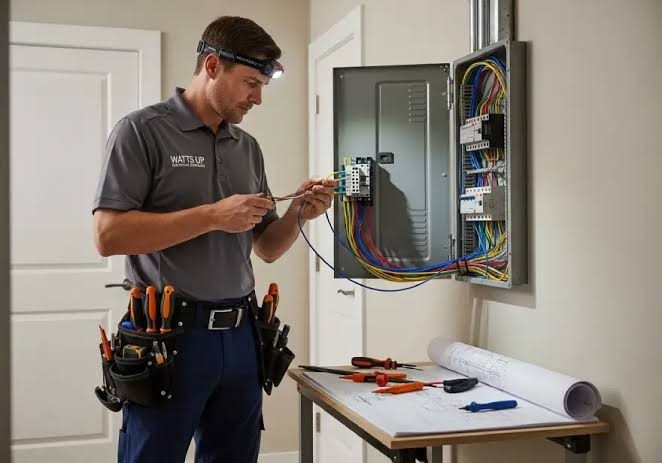
A professional electrician has the training and equipment to identify the underlying cause instead of simply treating the visible symptom. For example, replacing a repeatedly tripping breaker without determining why it trips can leave a more serious circuit problem unresolved.
Here are some situations that warrant professional attention:
● A circuit breaker trips repeatedly.
● Lights flicker or dim unexpectedly.
● Outlets or switches feel unusually warm.
● You notice burning or hot-insulation smells.
● An outlet or switch makes buzzing, crackling, or sizzling sounds.
● You see sparks or signs of arcing.
● An outlet is discolored or damaged.
● A plug fits loosely in an outlet.
● You experience a shock or tingling sensation when touching electrical equipment.
● Parts of your electrical system stop working without an obvious explanation.
These are recognized warning signs of potential wiring or electrical-system hazards.
What Repeatedly Tripping Breakers Can Mean
Circuit breakers are designed to interrupt electricity when a circuit experiences excessive current. A breaker that trips occasionally after several high-demand appliances are running may have a straightforward explanation, but frequent or unexplained trips deserve investigation.
The problem could involve an overloaded circuit, a faulty appliance, damaged wiring, or another electrical fault. Resetting the breaker again and again without addressing the reason it tripped is not a proper repair.
If a breaker trips immediately after being reset, leave it off and contact a qualified electrician. Continuing to reset it can expose the circuit to a condition that needs professional diagnosis.
Don’t Ignore Flickering Lights or Buzzing Outlets
Flickering lights are easy to dismiss, especially when they happen briefly. However, persistent or unexplained flickering can be associated with electrical problems, particularly when it occurs alongside other symptoms.
Buzzing, crackling, or sizzling from an outlet or switch is also a reason to take action. ESFI identifies unusual electrical sounds, discoloration, overheating, and flickering or dimming lights as warning signs that should be evaluated by a qualified electrician.
A professional can determine whether the issue is limited to a fixture or appliance or whether it points to a larger wiring or circuit problem.
Warm, Discolored, or Burning-Smelling Outlets Need Attention
Electrical outlets and switch plates should not become unusually hot. Discoloration, melted plastic, scorch marks, or a burning odor can indicate overheating or an unsafe connection.
If you notice these signs, stop using the affected outlet or switch rather than attempting to open it and investigate. The CPSC specifically identifies hot or discolored electrical components, burning odors, sparks, and flickering lights as potential warning signs requiring expert attention.
If there is smoke, active sparking, or an immediate fire risk, move away from the area and contact emergency services as appropriate. Do not attempt to extinguish an electrical fire with water.
When an Electrical Upgrade May Be Better Than a Simple Repair
Sometimes the right solution is not repairing one component but evaluating whether the electrical system can safely support the home’s current demands.
Older homes may have electrical systems designed for fewer appliances and lower power demands. Adding major appliances, new outlets, remodeling, or other equipment can increase the load on existing circuits.
ESFI recommends considering an electrical inspection for older homes and after significant renovations, additions, or the installation of major new appliances.
A professional may recommend improvements such as additional circuits, outlet replacement, updated protective devices, or other work based on the condition and configuration of the system. The appropriate solution depends on the home’s wiring and the specific problem.
Common Electrical Repair Mistakes to Avoid
Trying to save time with a quick fix can sometimes make an electrical problem more difficult—or more dangerous.
Avoid:
1. Repeatedly resetting a tripped breaker without finding the cause.
2. Using damaged cords or plugs because they still appear to work.
3. Relying on extension cords as permanent wiring. ESFI recommends using them temporarily rather than as a long-term solution.
4. Ignoring unusual smells or sounds because an appliance still functions.
5. Replacing a fuse or breaker with one of a higher rating to stop nuisance trips.
6. Opening electrical panels or outlets without the appropriate training.
The goal of electrical troubleshooting should be safety first, not simply getting power back as quickly as possible.
How to Decide What to Do Next
When something unusual happens, start by identifying exactly what you observed. Note which lights, outlets, appliances, or circuits are affected and whether the problem happens consistently or only under certain conditions.
Then stop using equipment that appears damaged or unsafe. If you notice heat, burning smells, sparks, electrical shocks, damaged wiring, or repeated breaker trips, arrange for a qualified professional to assess the problem rather than attempting a repair yourself.
For less obvious problems, a professional inspection can also help distinguish between an appliance issue and a problem within the home’s electrical system.
Conclusion
Electrical repairs are not an area where guessing is worth the risk. Warning signs such as flickering lights, repeated breaker trips, buzzing outlets, overheating, burning odors, sparks, and electrical shocks deserve attention because they can point to underlying electrical hazards.
The safest approach is straightforward: don’t ignore unusual electrical behavior, don’t rely on temporary fixes for permanent problems, and know when a qualified electrician should take over. Prompt professional attention can help identify the cause of an electrical issue before it becomes a much larger problem.