
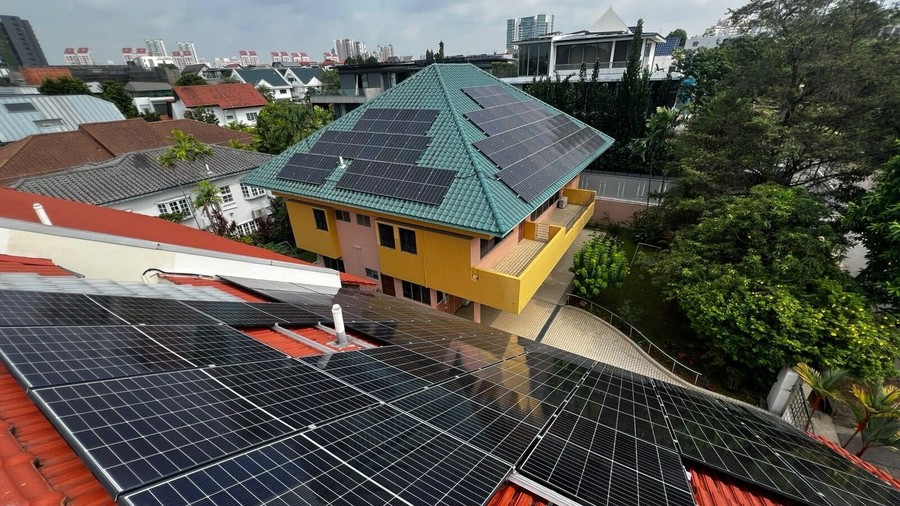
Home Solar energy is becoming an attractive option for homeowners in Singapore who want to improve energy efficiency and explore renewable energy solutions. Solar panels can help households generate electricity from sunlight and potentially reduce their reliance on conventional energy sources if installed correctly and given adequate rooftop space. However, professional guidance and careful preparation are required before installing a solar energy system. If you are considering solar panels for your property, understanding the installation process can help you make better decisions. Working with a reliable solar panel contractor in Singapore is also important for ensuring that your system is properly planned and installed.
- Assess Your Roof and Property
Checking to see if your property is suitable for a solar energy system is the first thing you need to do before installing solar panels. Factors such as rooftop space, roof condition, sunlight exposure, and surrounding buildings can influence the installation.
A professional contractor can inspect your roof and evaluate the available space. They can also identify potential shading from nearby trees or buildings that could affect solar panel performance.
This assessment helps determine whether your home can accommodate a suitable solar installation.
- Recognize Your Family’s Energy Needs
Before selecting solar panels, consider how much electricity your household uses. Reviewing your electricity bills can help you understand your average monthly consumption.
Different households have different energy requirements depending on the number of occupants, appliances, and daily activities. Considering these requirements, a suitable solar system should be planned. An experienced Singapore solar panel contractor can help evaluate your electricity consumption and recommend an appropriate system size. This allows homeowners to make more informed decisions about their investment.
- Choose the Right Solar Equipment
There are a few crucial components that make up solar energy systems. Inverters convert the generated electricity into a form suitable for use in homes, while solar panels convert sunlight into electricity. Other components include mounting structures, wiring, and electrical protection equipment.
When comparing solar equipment, homeowners should consider product quality, manufacturer warranties, expected performance, and compatibility with their property.
For solar panel installation in Singapore, a professional contractor can help you learn about your options and choose the right equipment for your home.
4. Plan the Installation Process
Once the system design and equipment have been selected, the contractor can prepare an installation plan. This may involve reviewing the roof structure, determining panel placement, planning electrical connections, and identifying any necessary approvals.
Before beginning the installation process, homeowners in Singapore should also verify the applicable building, electrical, and utility requirements. Depending on the property and system, relevant approvals or technical assessments may be required.
Proper planning helps prevent unnecessary delays and ensures that important installation requirements are considered.
- Testing and Installation by Professionals Solar panel
installation involves mounting the panels securely, connecting electrical components, and checking that the system operates correctly.
Utilizing appropriately qualified professionals is essential due to the risks to safety associated with electrical connections and rooftop work. After installation, the system should undergo the necessary inspections and testing. Homeowners should ask their contractor how the system will be monitored and what documentation, warranties, and maintenance guidance will be provided.
- Maintain Your Solar Panel System
Although solar panels are designed for long-term use, regular maintenance can help keep the system operating effectively.
Homeowners should follow the manufacturer’s cleaning and maintenance recommendations. Additionally, periodic inspections can assist in identifying potential issues such as broken or loose connections. A dependable solar panel contractor can explain the maintenance requirements and provide support when servicing is needed.
Conclusion
Installing solar panels at home in Singapore involves several important steps, from assessing rooftop suitability to choosing equipment and arranging professional installation. Understanding these stages can help homeowners prepare for the process and make informed decisions.
Choosing an experienced solar panel contractor in Singapore can make the installation process more manageable while helping ensure that the system meets your property’s requirements. With proper planning, suitable equipment, and regular maintenance, solar energy can become a valuable part of a home’s energy strategy.
For more information about solar panel installation services, visit Solar Panel Contractors Singapore and explore the available solutions for your property.