
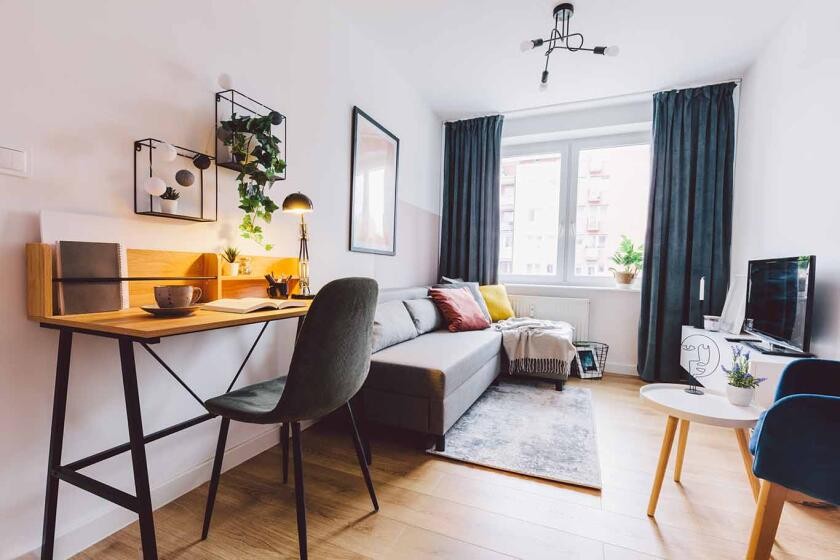
The pandemic reshaped how Singaporeans view their homes. What was once a place to sleep and relax has now become a hybrid space—office, school, gym, and family zone. As remote and hybrid work becomes more embedded in Singapore’s professional culture, the way residents choose homes is changing.
Rather than prioritising proximity to the CBD, many residents now value homes that support productivity, comfort, and lifestyle balance. This shift is not temporary; it is reshaping the long-term residential landscape.
The Home Office as a Standard Requirement
A decade ago, having a home office was considered a luxury. Today, it is increasingly seen as a standard requirement. Many residents now expect a dedicated workspace or at least a flexible area that can support remote work.
This trend affects unit layouts and neighbourhood choices. Homes with flexible rooms, quiet surroundings, and good natural light are becoming more desirable. Developments like Hudson Place Residences are being evaluated not just for location, but also for how well they support hybrid living.
The Importance of Quiet and Privacy
Hybrid work means residents need quiet spaces for calls, focus, and concentration. This has made noise levels and privacy more important than ever.
Mature districts often offer calmer environments compared to bustling new districts. The ability to work from home without constant noise disruptions is a practical benefit that many residents now prioritise.
Connectivity for Hybrid Lifestyles
Hybrid work also demands reliable connectivity—both in terms of transport and digital infrastructure. While residents may not commute daily, they still need the flexibility to travel easily when needed.
This has increased the importance of well-connected neighbourhoods. Residents want the option to access the CBD or other employment centres without hassle, even if they only commute a few times a week.
The Need for Flexible Living Spaces
Hybrid living also requires flexible home layouts. Families need spaces that can serve multiple purposes: study areas for children, home offices for adults, and comfortable living areas for downtime.
Homes that support this adaptability are increasingly preferred. Flexible layouts and multipurpose rooms are becoming key differentiators in residential desirability.
Local Amenities as Hybrid Lifestyle Support
Hybrid living means residents spend more time in their neighbourhoods. As a result, local amenities have become more important.
Access to parks, cafes, supermarkets, and community spaces supports a balanced lifestyle. Residents value neighbourhoods where they can work, relax, and run errands without needing to travel far.
Dunearn House is located within a mature district where local amenities support this hybrid lifestyle, offering a stable living environment that matches daily needs.
Wellbeing and Work-Life Balance
Hybrid living has also highlighted the importance of wellbeing. With blurred boundaries between work and home, residents are seeking environments that support mental health and balance.
Green spaces, quiet neighbourhoods, and walkable amenities help residents maintain a healthy routine. This is one reason why mature districts are becoming more attractive for long-term living.
Hybrid Living and Long-Term Value
Homes that support hybrid living tend to maintain demand because they meet real-life needs. Whether for families or professionals, flexible and practical living spaces are now a core requirement.
As hybrid work becomes more permanent, the long-term value of homes that support this lifestyle will likely increase. Properties that can adapt to these evolving needs are more resilient in the long run.
Conclusion
Hybrid work has reshaped how Singaporeans view residential value. Homes are no longer just places to rest—they are multifunctional spaces that must support work, family, and lifestyle balance.
Developments such as Hudson Place Residences and Dunearn House are part of this shift, offering living environments that support hybrid lifestyles through practicality, connectivity, and community. As hybrid work becomes more embedded, the concept of the “hybrid home” is set to remain a defining factor in residential demand.