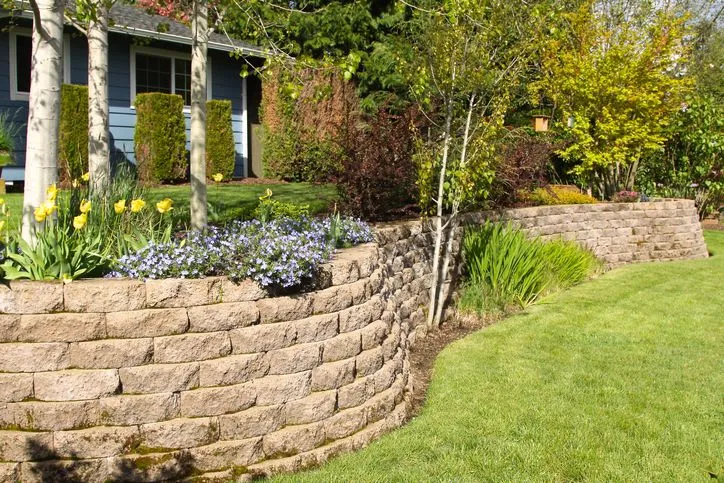
A retaining wall is built to do important work. It holds back soil, manages elevation changes, supports landscaping, and helps protect outdoor areas from erosion. When it is strong and properly maintained, it can improve both the safety and appearance of your property. However, when a retaining wall begins to fail, the signs should never be ignored.
Small cracks, leaning sections, drainage problems, and soil movement can all point to deeper structural concerns. What starts as a minor issue may eventually affect walkways, patios, driveways, fences, gardens, or nearby parts of the home. For homeowners in North Jersey, where heavy rain, freezing temperatures, and shifting soil can place added stress on exterior structures, early repair can help prevent larger and more expensive damage.
KRR General Contractor helps homeowners identify retaining wall problems and restore outdoor spaces with durable, practical repair solutions.
Why Retaining Walls Need Regular Attention
Retaining walls are constantly under pressure. Soil pushes against the wall every day, and that pressure increases when the ground becomes wet. Rainwater, snowmelt, poor drainage, and freeze-thaw cycles can all weaken a wall over time.
Even a well-built retaining wall can show signs of wear after years of exposure. The key is knowing when normal aging has turned into a repair issue. By catching problems early, homeowners can often reduce damage, protect surrounding areas, and avoid the need for full wall replacement.
Professional inspection is especially important when the wall supports a slope, driveway, patio, or other high-use area.
Cracks in the Wall
Cracks are one of the most common signs that a retaining wall needs attention. Some small surface cracks may seem harmless at first, but they can allow water to enter the structure and worsen over time. Larger cracks, stair-step cracks, horizontal cracks, or cracks that continue to grow may indicate movement or pressure behind the wall.
Cracking can happen for several reasons, including poor drainage, soil expansion, weak materials, settlement, or improper construction. If left untreated, cracks can spread and reduce the wall’s ability to hold soil in place.
Homeowners looking for retaining wall repair in Bergen County NJ should have cracks evaluated before they become wider or lead to wall separation.
Leaning, Bowing, or Bulging Sections
A retaining wall should remain straight, stable, and properly aligned. If part of the wall is leaning forward, bowing outward, or bulging in the middle, it may be under too much pressure from the soil behind it.
This is often a sign of drainage failure or structural weakness. When water builds up behind the wall, it adds weight and pressure. Over time, that pressure can push the wall outward.
Leaning walls should be inspected as soon as possible. Waiting too long can increase the risk of collapse, especially during periods of heavy rain or freezing weather.
Drainage Problems Behind or Around the Wall
Drainage is one of the most important parts of retaining wall performance. A wall must be able to release or redirect water properly. If water collects behind the wall, pressure builds and may eventually cause cracks, leaning, or movement.
Signs of drainage issues include water stains, soil washing out from behind the wall, puddles near the base, wet spots that never dry, or water flowing over the top of the wall after storms. You may also notice that nearby landscaping shifts or that mulch and soil collect at the bottom of the slope.
A professional contractor can determine whether drainage improvements are needed as part of the repair. This may include installing drainage stone, pipes, weep holes, grading corrections, or other water-management solutions.
Loose Blocks, Stones, or Concrete Sections
If your retaining wall is made from blocks, stone, or concrete sections, loose materials can signal that the wall is losing stability. This may happen because of soil pressure, shifting ground, water damage, or aging mortar.
Loose sections should not be treated as only a cosmetic issue. Once part of the wall begins to move, nearby sections may also weaken. Repairing the affected area early can help preserve the rest of the wall and prevent more extensive reconstruction.
Homeowners searching for retaining wall repair in Essex County NJ should contact a contractor when sections start to separate, shift, or feel unstable.
Soil Erosion Around the Wall
A retaining wall is meant to hold soil in place. If soil is washing away around the wall, beneath it, or through gaps, the wall may no longer be functioning properly. Erosion can weaken the base of the structure and make the surrounding ground uneven or unsafe.
You may notice exposed roots, sinking areas, loose soil, or washed-out landscaping after heavy rain. These signs can indicate that water is not being controlled correctly or that the wall needs structural repair.
Soil erosion can also affect nearby walkways, patios, driveways, or lawn areas. Addressing the issue early helps protect the full outdoor space, not just the wall itself.
Separation From Stairs, Patios, or Walkways
Retaining walls often connect with other outdoor features. If you notice gaps forming between the wall and nearby stairs, patios, walkways, fences, or garden borders, the wall may be shifting.
Separation can be caused by settlement, water pressure, poor base preparation, or movement in the surrounding soil. This should be inspected carefully because it may suggest that more than one part of the property is being affected.
Professional repair can help correct the issue and reduce the chance of continued movement.
When Repairs Are Better Than Replacement
Not every damaged retaining wall needs to be fully rebuilt. If the problem is caught early and the main structure is still sound, repairs may be enough. Common repair work may include sealing cracks, resetting loose sections, improving drainage, reinforcing weakened areas, correcting grading, or replacing damaged portions of the wall.
However, if the wall is severely leaning, collapsing, or damaged across multiple areas, replacement may be the safer and more cost-effective option. A contractor can help determine the best solution based on the wall’s condition, height, purpose, and surrounding property features.
Why Professional Repair Matters
Retaining wall repair requires more than patching visible damage. The underlying cause must be identified. If cracks are repaired but drainage is ignored, the same problem may return. If loose sections are replaced without addressing soil movement, the wall may continue to shift.
KRR General Contractor takes a practical approach by looking at the full condition of the wall and surrounding area. Proper repair focuses on restoring stability, improving drainage, and protecting the property from future damage.
A retaining wall is an important part of your outdoor structure. When signs of damage appear, early professional attention can help keep your yard safer, stronger, and better prepared for New Jersey weather.