
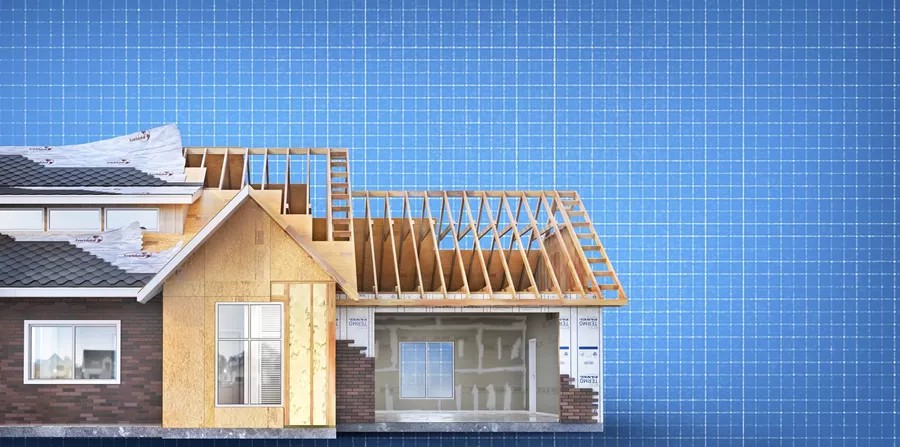
A building’s envelope—the roof, exterior walls, windows, doors, and related components—helps separate indoor spaces from the weather outside. When these parts deteriorate or fail, water and air can enter, materials can be damaged, and maintenance costs can grow.
A building envelope inspection helps property owners understand the condition of these components and decide what steps to take. It can support repair planning, property maintenance, and informed decisions about future improvements.
What Does a Building Envelope Inspection Examine?
An inspection generally focuses on accessible exterior components and visible signs of damage or deterioration. The exact scope depends on the building and the questions the owner needs answered.
Common Areas of Review
An engineer may assess:
- Roofing materials, flashings, and roof edges.
- Exterior walls, masonry, siding, and sealants.
- Windows, doors, and their connections to the surrounding wall.
- Balconies, parapets, and other exposed features.
- Visible signs of water entry or material failure.
The inspection can document observed conditions and identify areas that may need maintenance, repair, or further investigation. Concealed conditions may require additional testing to evaluate.
Why Are Regular Inspections Important?
Weather exposure gradually affects roofs and exterior materials. Small openings, worn sealants, damaged flashing, or cracks can allow moisture to reach areas that are difficult to see. If water intrusion continues, it may contribute to deterioration inside walls or damage to finishes and other building components.
An inspection helps owners understand concerns before deciding on a response. It can also help prioritize work: which items need attention soon, which can be monitored, and where additional evaluation may be appropriate. That information supports maintenance budgets and longer-term planning.
A commercial building engineer NJ property owners work together to assess visible envelope conditions and help define practical next steps. Repair recommendations should reflect the observed conditions, the building’s needs, and the agreed inspection scope.
When Should You Schedule an Inspection?
Consider a building envelope inspection when you notice recurring leaks, damaged exterior materials, deteriorating sealants, or visible roof concerns. An assessment may also be useful before renovations, during property planning, or when evaluating an older building’s maintenance needs.
If an exterior concern appears connected to movement or structural damage, an NJ structural engineer can evaluate relevant conditions and advise whether further structural review is needed.
Plan Repairs With Better Information
Building envelope inspections provide a clearer understanding of a property’s roof and exterior condition. Lockatong Engineering offers inspections, evaluations, and repair design to help property owners plan work and make informed decisions about their buildings.